




How to Combine AC & NC Foaming Agents for High-Quality PVC Profiles
Release time: 2026-01-08
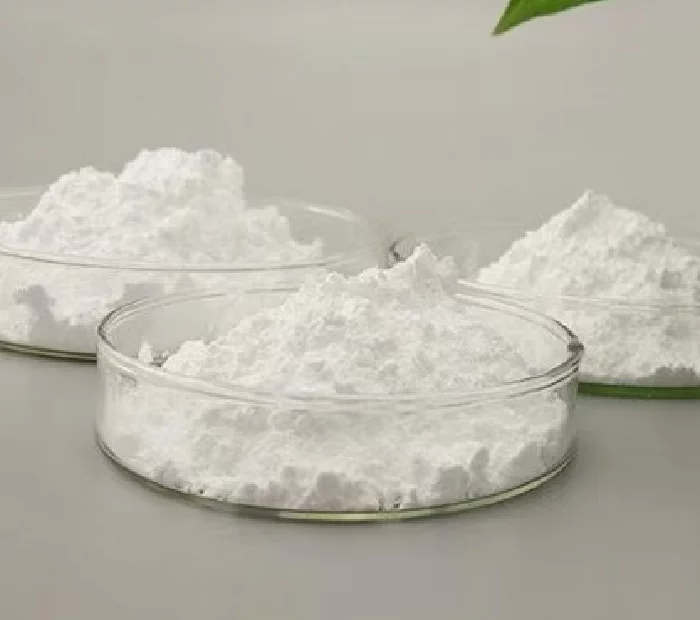
If you’ve been in the PVC extrusion industry for any length of time, you know that achieving the “perfect” foam structure is often more of an art than a rigid science. While many manufacturers rely on a single blowing agent, the secret to producing high-end, smooth, and lightweight profiles usually lies in a balanced “cocktail.” Specifically, mastering the synergy between AC (azodicarbonamide) and NC foaming agent (sodium bicarbonate based) is a game-changer for enhancing surface quality and cell uniformity.
The Dynamic Duo: Understanding the Chemistry
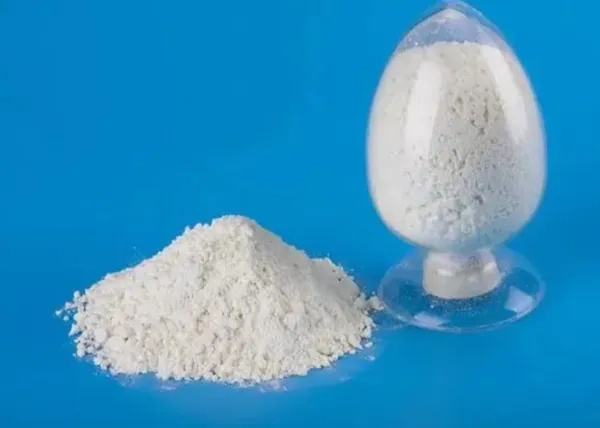
The logic behind mixing these two additives lies in their thermal behavior. AC is an exothermic blowing agent, meaning it releases significant heat during decomposition, which can lead to high gas yields but often results in large, uneven cells if left uncontrolled. In contrast, an NC foaming agent is endothermic; it absorbs heat during decomposition. This cooling effect naturally regulates the melt temperature, acting as a stabilizer that prevents the “overheating” typically responsible for yellowing or collapsed cells in the core.
Why the NC Foaming Agent is Your Secret Weapon
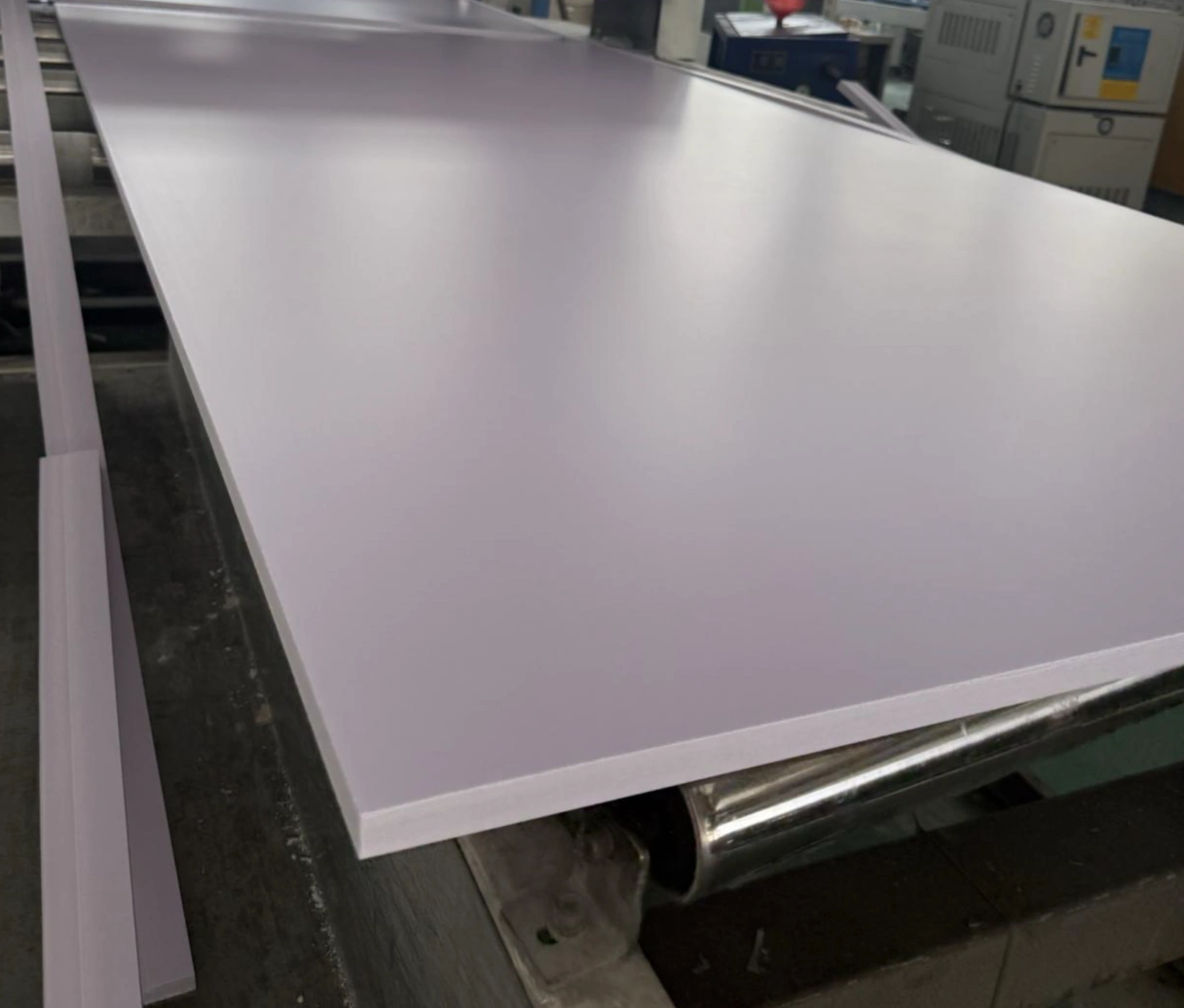
When producing high-quality profiles—such as luxury wall panels or precision window frames—the NC foaming agent plays a critical role in aesthetics. Because it absorbs energy, it creates a much finer and more uniform cell structure compared to using AC alone. If your current product suffers from a rough internal texture or a brittle core, increasing the ratio of NC foaming agent in your formulation can provide that silky-smooth finish and improved impact resistance that premium international buyers demand.
Finding the Right Ratio for Your Production
While there is no “one-size-fits-all” formula, a common starting point for high-quality PVC profiles is a 70:30 or 60:40 ratio of AC to NC foaming agent. If you are aiming for an exceptionally white, high-gloss surface, you might lean even heavier on the NC side. The key is to monitor your extruder’s torque and melt pressure closely. The NC foaming agent helps regulate the gas release rate, ensuring that bubbles do not coalesce (merge) into large voids before the PVC exits the die.
Steps to Optimize Your Mixing Process
To achieve the best results when combining these additives, consider these practical steps in your production line:
1. Uniform Dry Blending: Always ensure your AC and NC foaming agents are thoroughly pre-mixed with the PVC resin and stabilizers in a high-speed mixer to prevent localized “hot spots” in the melt.
2. Temperature Calibration: Since NC agents decompose at different ranges than AC, you may need to adjust your barrel zone temperatures by 2-5°C to find the “sweet spot” where both agents activate in harmony.
3. Density Monitoring: Regularly check the specific gravity of your profiles. If the product feels too heavy, slightly increase the AC; if the surface appears pitted or discolored, boost the NC foaming agent content.
Avoiding Common Pitfalls in PVC Foaming
One mistake I often see is neglecting the role of external lubricants when increasing the NC foaming agent dosage. Because the endothermic reaction alters melt viscosity, you might need to tweak your lubricant levels to maintain a consistent flow. Additionally, remember that NC foaming agent is an excellent tool for “whiteness.” If your profiles show a yellowish tint from AC decomposition residues, the neutralizing effect of a high-quality NC agent can restore a bright, clean look without needing excessive titanium dioxide.
Final Thoughts for Global Manufacturers
In the competitive landscape of 2026, “standard quality” is no longer enough to win major contracts. Buyers are searching for lighter, stronger, and more aesthetically pleasing PVC solutions. Mastering the balance between AC and NC foaming agents allows you to reduce material costs by lowering density while simultaneously elevating the perceived quality of your profiles. It’s a strategic win-win that distinguishes professional extrusion plants from basic operations. Experiment with your ratios, keep your cooling systems optimized, and the results will show in your bottom line.