




Calcium Zinc Stabilizers vs. Lead Salts: 2026 Guide to Eco-Friendly PVC Processing
Release time: 2026-02-03
If you’ve been in the PVC industry for more than a decade, you remember the days when lead-based stabilizers were the undisputed king. They were cheap, they worked well, and nobody asked too many questions about them.
But let’s be honest: those days are gone.
As we move deeper into 2026, the regulatory noose around lead usage is tightening globally—not just in Europe and North America, but increasingly in emerging markets too. For manufacturers, the conversation has shifted from “Why should I change?” to “How fast can I switch without ruining my production line?”
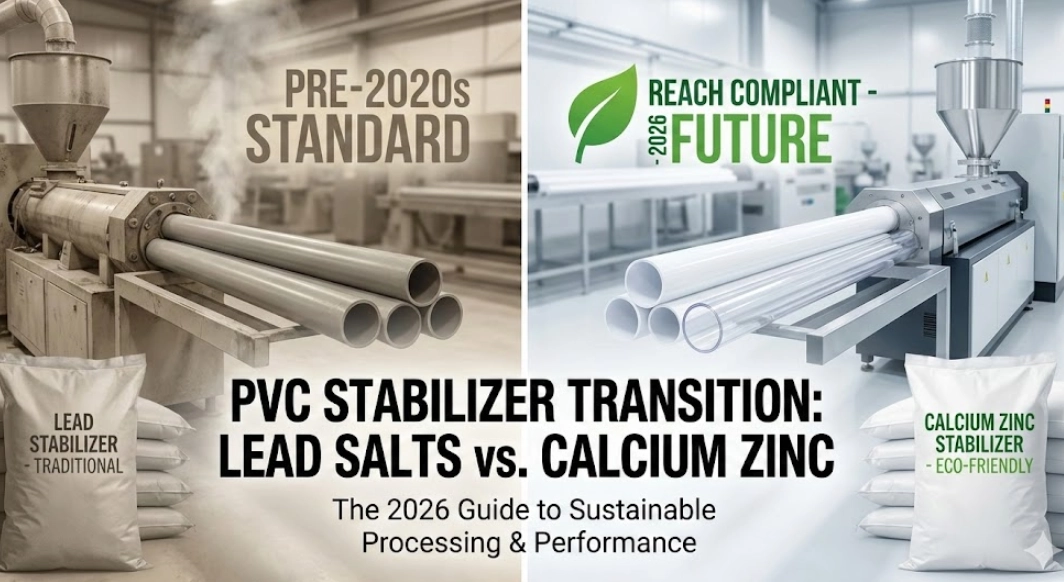
This is where calcium zinc stabilizers enter the chat.
For a long time, Ca-Zn was viewed as the “expensive, tricky alternative” that you only used if a client forced you to. That narrative is outdated. Today, modern calcium-zinc stabilizers aren’t just an eco-friendly box-ticking exercise; in many applications, they are actually outperforming their lead predecessors.
Here is your no-nonsense guide to the calcium zinc vs. lead salts debate in 2026.
The Elephant in the Room: Why Lead is Leaving the Building
We all know why lead is being phased out—toxicity. But the urgency has changed.
In the past, you might have gotten away with using lead salts for local pipes or profiles. But with supply chains becoming more global, compliance is key. If you want to sell your PVC end products to markets adhering to RoHS or REACH standards, lead is a non-starter.
Furthermore, big brands (your customers) are under pressure to prove their supply chains are sustainable. They don’t want “heavy metals” anywhere near their spec sheets. By sticking with lead, you aren’t just risking fines; you’re risking being cut out of the vendor list entirely.
Performance Myth-Busting: Is Calcium Zinc Finally “Good Enough”?
The biggest hesitation I hear from factory managers is usually about thermal stability. “Calcium zinc isn’t stable enough for my high-speed extrusion,” they say.
Ten years ago? Maybe. Today? Absolutely not.
Current-generation calcium-zinc stabilizers have seen massive leaps in formulation technology. By incorporating advanced co-stabilizers (like beta-diketones or specialized polyols), manufacturers like us at XiLang Additive have managed to boost the long-term heat stability to levels that rival traditional lead systems.
Here is where Ca-Zn actually wins on performance:
1. Transparency and Color Hold Lead salts often result in initial discoloration or a hazy finish. Calcium-zinc stabilizers, on the other hand, offer excellent initial color retention. If you are producing transparent tubing, medical grading, or high-aesthetic profiles, Ca-Zn gives you a crystal-clear advantage that lead simply cannot match.
2. No More “Sulfide Staining” One of the classic headaches with lead stabilizers is “sulfur pollution.” If your PVC product comes into contact with sulfur (common in industrial environments or acid rain), lead reacts to form black lead sulfide. Your white window profiles turn grey. Calcium-zinc stabilizers are immune to this. They don’t react with sulfur. This means your outdoor PVC products stay white longer, reducing warranty claims for discoloration.
3. Odorless Processing Lead processing often comes with a distinct, unpleasant smell. Ca-Zn formulations are typically much lower in odor, creating a better working environment for your factory floor staff and a more neutral-smelling final product for the consumer.
The Cost Equation: Looking Beyond Price Per Kg
Let’s address the price tag. Yes, on a strictly per-kilogram basis, a high-quality calcium-zinc stabilizer can sometimes list higher than a generic lead salt.
However, smart procurement managers look at the Total Cost of Ownership (TCO).
- Density Difference: Lead is heavy. Calcium and zinc are lighter. Since PVC profiles are often sold by length or pieces (volume) but raw materials are bought by weight, the lower density of Ca-Zn mixes can actually improve your yield. You get more meters of pipe per ton of mix.
- Machine Wear: Lead stabilizers can be abrasive. Modern Ca-Zn systems often include superior lubrication packages that reduce torque on your extruder screw, potentially lowering energy consumption and extending machine life.
- Waste Reduction: Because Ca-Zn offers better initial color, you generate less scrap during machine startup and shutdown compared to lead systems.
When you factor in the density advantage and the elimination of cross-contamination risks (no need to purge lines as aggressively), the cost gap narrows significantly—sometimes even flipping in favor of calcium zinc.
Making the Switch: Tips for a Smooth Transition
If you are ready to transition your formulation from lead to calcium-zinc stabilizers, don’t just swap them 1:1 and hope for the best. The chemistry is different.
- Check Your Lubricants: Ca-Zn systems have different melt rheology. You might need to adjust your external lubricants slightly to avoid plate-out or over-lubrication.
- Watch the Temperatures: While modern Ca-Zn is stable, it doesn’t have the infinite “forgiveness” of lead. Ensure your barrel temperatures are calibrated correctly.
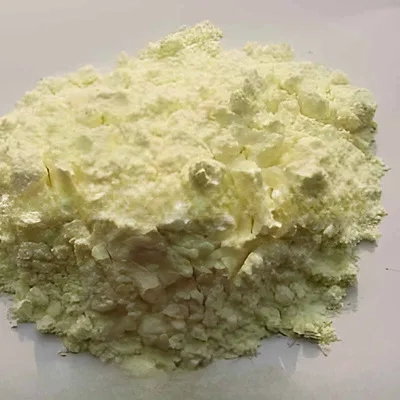
- Consult Your Supplier: This is crucial. At XiLang Additive, we don’t just sell a bag of powder; we look at your specific shear rates and filler content to recommend the exact grade of stabilizer.
The Verdict
In 2026, sticking with lead salts is like insisting on using a flip phone because the battery lasts a week. Sure, it works, but you’re cutting yourself off from the modern ecosystem.
Calcium-zinc stabilizers are the standard for the future of PVC. They offer regulatory peace of mind, superior weatherability, and excellent aesthetics. The industry has moved on from “alternatives”—Ca-Zn is now the primary choice for high-performance manufacturing.
(Interested in testing a sample? Check out XiLang Additive’s range of high-performance stabilizers to see the difference on your own production line.)